Jun 4, 2026

HVAC

Summer HVAC Problems Homeowners Face Most Often

Summer puts your HVAC system under serious stress. Learn the most common problems homeowners face during peak heat months and what you can do to prevent or fix them fast.

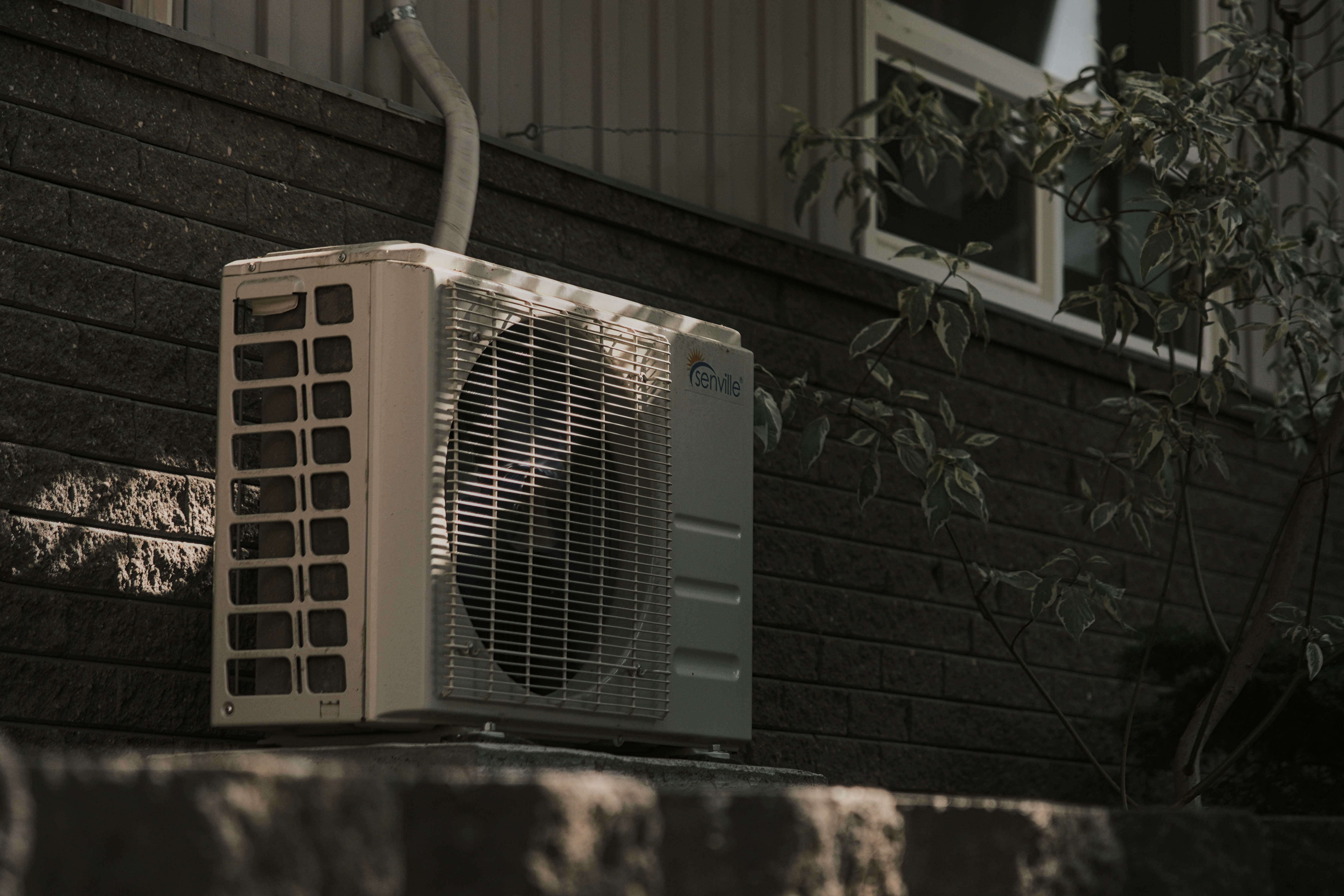
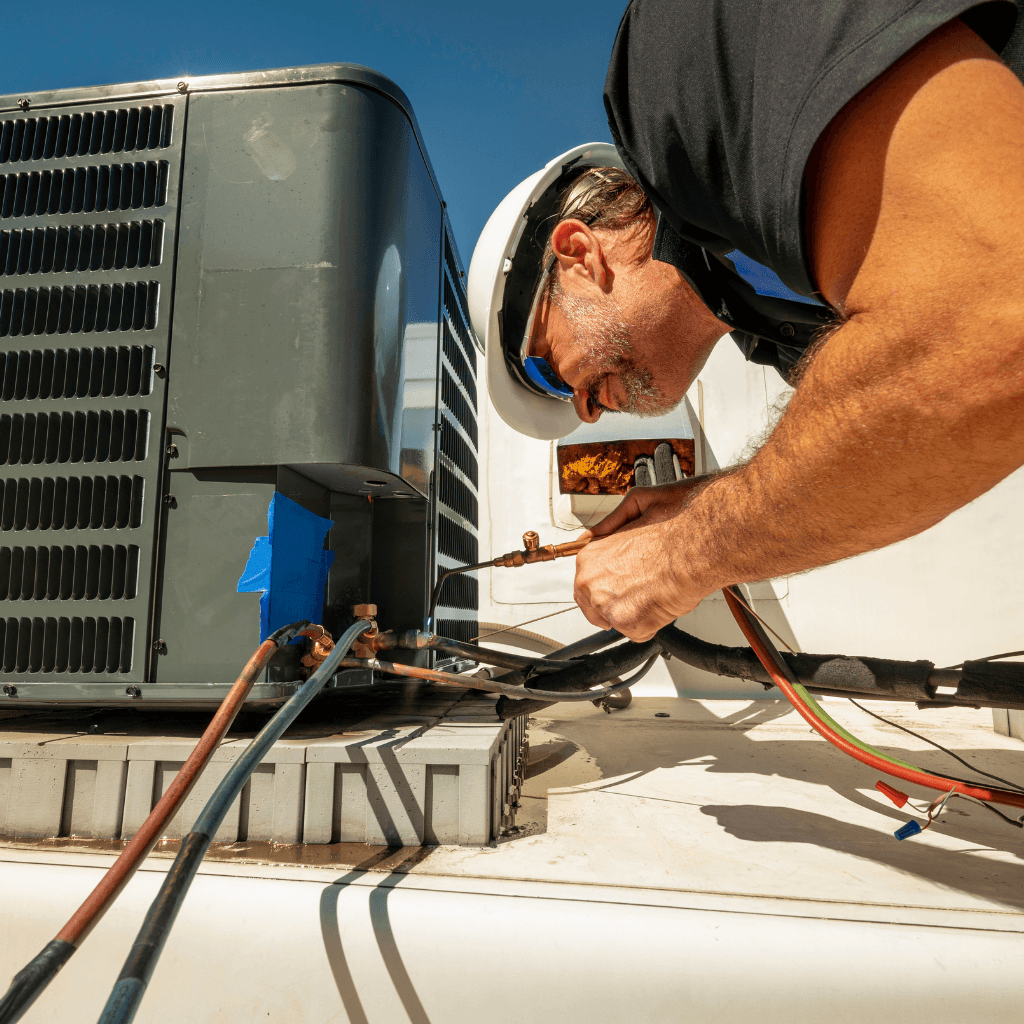
Air conditioning unit working during summer heat

Summer is peak season for HVAC failures. Temperatures climb, systems run for hours on end, and components that were borderline all winter finally give out under the extra load. Most homeowners do not think about their AC until it stops working, which is exactly when issues become urgent and expensive.

Understanding the problems that show up most often during summer gives you a real advantage. Some you can prevent with simple maintenance. Others you can catch early before they become major repairs. All of them are more manageable when you know what to look for.

AC Running Constantly Without Reaching Temperature

One of the most common summer complaints is an AC that runs all day without ever making the home feel cool. On extreme heat days, longer runtimes are normal. But when the system runs continuously yet never reaches the target temperature on a typical day, something is wrong.

The most likely culprits are low refrigerant, dirty evaporator or condenser coils, a clogged air filter reducing airflow, or a system that is simply undersized for the home. Each of these reduces the system’s ability to transfer heat efficiently. A professional inspection will pinpoint the cause and restore proper performance before the issue drives your energy bills further up.

Refrigerant Leaks Becoming Apparent in the Heat

Refrigerant leaks often go unnoticed during milder months. In summer, when the system is under maximum load, reduced refrigerant levels become impossible to ignore. The home stops cooling efficiently, the compressor works overtime to compensate, and energy bills climb without an obvious explanation.

Warning signs include hissing or bubbling sounds from the unit, ice forming on the copper refrigerant lines, and a noticeable drop in cooling performance over a short period. Refrigerant handling is EPA-regulated and requires a licensed technician. The leak must be located and repaired before the system is recharged — simply topping off refrigerant without fixing the source is a temporary fix that will fail again.

Capacitor and Contactor Failures

Capacitors are small electrical components that help motors start and run. They are one of the most commonly replaced parts in AC systems, and summer heat accelerates their failure. When a capacitor fails, the compressor or fan motor cannot start properly. You may hear a clicking or humming sound from the outdoor unit, or the outside unit may not start at all while the indoor fan keeps blowing warm air.

Contactors, which are electrical switches that control power to the compressor and outdoor fan, also wear out from repeated summer use. Both components are relatively inexpensive to replace when caught before they cause downstream damage to more critical parts. If your outdoor unit is struggling to start or runs intermittently, have a technician check these components immediately.

Frozen Evaporator Coils

Frozen coils are a summer paradox. Despite the outside heat, the evaporator coil inside your air handler can ice over completely, blocking cooling and sometimes causing water damage as the ice melts. This happens when airflow across the coil is too restricted for proper heat exchange, or when refrigerant levels are too low for the coil to maintain the right operating temperature.

The immediate step is to turn the system off and let it fully thaw — this can take several hours. Do not run the AC with a frozen coil, as it puts serious strain on the compressor. Once thawed, replace the filter first. If the coil refreezes, the issue is likely low refrigerant or a more significant airflow problem that requires professional diagnosis.

The Outdoor Unit Overheating

The outdoor condenser unit must release heat into the surrounding air to complete the cooling cycle. When ambient temperatures are extreme and the condenser coils are coated in dust, dirt, or debris from a full year of operation, the unit has to work far harder to reject heat. In severe cases it overheats and shuts itself down as a protective measure.

Keep the area around your outdoor unit clear of vegetation, stored items, and debris. Make sure there is at least two feet of clearance on all sides. Gently rinse the coil fins with a garden hose to remove accumulated dirt. Annual professional coil cleaning goes further, using pressurized cleaning solutions to restore heat transfer efficiency to near-original levels.

Clogged Condensate Drain Lines

As your AC cools the air, it also removes humidity. That moisture drains out of the system through a condensate drain line. In summer, when the system is removing large amounts of humidity daily, this drain line can become clogged with algae, mold, and debris. A blocked drain causes water to back up into the drain pan and eventually overflow, leading to water damage around the air handler and sometimes triggering a float switch that shuts the system off entirely.

Signs of a clogged condensate drain include water pooling near the indoor unit, musty odors from the vents, and the system shutting off unexpectedly. Flushing the drain line with a mixture of water and distilled white vinegar every few months is an easy preventive measure homeowners can do themselves. If the line is fully blocked or if water damage has already occurred, professional clearing is the right call.

Dirty Air Filters Compounding Every Other Problem

A dirty air filter does not cause just one problem — it sets off a chain reaction. Restricted airflow reduces cooling efficiency, stresses the blower motor, raises energy consumption, promotes frozen coils, and accelerates wear across the entire system. During summer, when the AC runs almost continuously, filters get dirty faster than any other time of year.

In dusty climates and high-use summer conditions, check your filter every three to four weeks and replace it when it shows any visible discoloration. This is the cheapest and most effective maintenance step available to any homeowner. A five-dollar filter replacement done regularly can prevent hundreds of dollars in avoidable service calls over a single summer season.

Thermostat Malfunctions Under Heat Stress

Thermostats exposed to direct sunlight, located near heat-generating appliances, or simply aging can misread indoor temperatures during summer. When the thermostat sensor reads a temperature that is warmer or cooler than the actual room, it sends incorrect signals to the system — causing it to short-cycle, overcool, or fail to run when it should.

If you suspect your thermostat is inaccurate, compare its reading against a separate thermometer in the same room. If there is a significant discrepancy, the thermostat may need calibration or replacement. Upgrading to a smart thermostat also provides more accurate sensing and allows you to monitor and control your system remotely, which is especially useful during summer travel.

How to Stay Ahead of Summer HVAC Problems

The most effective strategy is a professional tune-up in spring, before summer temperatures arrive. A trained technician will inspect refrigerant levels, clean coils, check electrical components, test the thermostat, clear the condensate drain, and identify any parts showing wear. This single service visit resolves most of the issues listed above before they ever interrupt your comfort.

Beyond the annual tune-up, replace filters monthly during peak summer use, keep the outdoor unit clean and clear, and pay attention to any change in how your system sounds or performs. HVAC systems rarely fail without warning. The signs are usually there — unfamiliar noises, longer run times, higher energy bills, or rooms that no longer cool evenly. Catching those signals early is what separates a minor service call from an emergency replacement.
FAQ

Have more questions? Our team is happy to help.

Frequently asked
questions

Why does my AC struggle more in summer than other seasons?

Summer heat forces your AC to run longer and harder to maintain indoor comfort. Extended runtime accelerates wear on components like capacitors, fan motors, and compressors. Refrigerant pressure also increases with outdoor temperatures, stressing the system further. Regular pre-season maintenance is the best way to prepare your unit for the added summer demand.

How often should I change my air filter during summer?

During summer months when your system runs almost continuously, check the filter every 30 days and replace it as soon as it looks gray or clogged. In dusty regions like the Inland Empire, monthly replacement is often necessary. A clean filter is the single most impactful thing a homeowner can do to maintain system performance and efficiency.

What causes an AC to freeze up in hot weather?

Freezing in summer is usually caused by restricted airflow from a dirty filter, blocked return vents, or low refrigerant levels. When the evaporator coil cannot absorb enough heat, moisture freezes on its surface and ice builds up. Turn the system off and let it thaw completely before restarting, then identify and correct the underlying cause before the freeze recurs.

Is it normal for my AC to run all day in summer?

During peak heat days, especially when outdoor temperatures exceed 100 degrees, longer continuous operation is normal. However, if the system runs nonstop without ever reaching your set temperature, that indicates a problem — undersized equipment, low refrigerant, dirty coils, or duct leaks are the most common causes. A professional inspection can identify whether the behavior is normal or a sign of a serviceeable issue.

You cannot eliminate every possibility, but you can dramatically reduce the risk. A professional tune-up before summer begins, monthly filter changes, keeping the outdoor unit free of debris, and not ignoring early warning signs like unusual sounds or reduced airflow will prevent the majority of warm-season breakdowns. Most emergency calls in summer are for issues a spring maintenance visit would have caught.

You cannot eliminate every possibility, but you can dramatically reduce the risk. A professional tune-up before summer begins, monthly filter changes, keeping the outdoor unit free of debris, and not ignoring early warning signs like unusual sounds or reduced airflow will prevent the majority of warm-season breakdowns. Most emergency calls in summer are for issues a spring maintenance visit would have caught.

How do I know if my HVAC problem needs a professional or if I can fix it myself?

Thermostat settings, circuit breakers, and air filter replacements are safe homeowner tasks. Anything involving refrigerant, electrical components, frozen coils that keep returning, burning smells, or complete system failure requires a licensed technician. When in doubt, call a professional — attempting complex repairs without training often leads to greater damage and higher costs.

FAQ

Have more questions? Our team is happy to help.

Frequently asked
questions

Why does my AC struggle more in summer than other seasons?

Summer heat forces your AC to run longer and harder to maintain indoor comfort. Extended runtime accelerates wear on components like capacitors, fan motors, and compressors. Refrigerant pressure also increases with outdoor temperatures, stressing the system further. Regular pre-season maintenance is the best way to prepare your unit for the added summer demand.

How often should I change my air filter during summer?

During summer months when your system runs almost continuously, check the filter every 30 days and replace it as soon as it looks gray or clogged. In dusty regions like the Inland Empire, monthly replacement is often necessary. A clean filter is the single most impactful thing a homeowner can do to maintain system performance and efficiency.

What causes an AC to freeze up in hot weather?

Freezing in summer is usually caused by restricted airflow from a dirty filter, blocked return vents, or low refrigerant levels. When the evaporator coil cannot absorb enough heat, moisture freezes on its surface and ice builds up. Turn the system off and let it thaw completely before restarting, then identify and correct the underlying cause before the freeze recurs.

Is it normal for my AC to run all day in summer?

During peak heat days, especially when outdoor temperatures exceed 100 degrees, longer continuous operation is normal. However, if the system runs nonstop without ever reaching your set temperature, that indicates a problem — undersized equipment, low refrigerant, dirty coils, or duct leaks are the most common causes. A professional inspection can identify whether the behavior is normal or a sign of a serviceeable issue.

You cannot eliminate every possibility, but you can dramatically reduce the risk. A professional tune-up before summer begins, monthly filter changes, keeping the outdoor unit free of debris, and not ignoring early warning signs like unusual sounds or reduced airflow will prevent the majority of warm-season breakdowns. Most emergency calls in summer are for issues a spring maintenance visit would have caught.

You cannot eliminate every possibility, but you can dramatically reduce the risk. A professional tune-up before summer begins, monthly filter changes, keeping the outdoor unit free of debris, and not ignoring early warning signs like unusual sounds or reduced airflow will prevent the majority of warm-season breakdowns. Most emergency calls in summer are for issues a spring maintenance visit would have caught.

How do I know if my HVAC problem needs a professional or if I can fix it myself?

Thermostat settings, circuit breakers, and air filter replacements are safe homeowner tasks. Anything involving refrigerant, electrical components, frozen coils that keep returning, burning smells, or complete system failure requires a licensed technician. When in doubt, call a professional — attempting complex repairs without training often leads to greater damage and higher costs.

FAQ

Have more questions? Our team is happy to help.

Frequently asked
questions

Why does my AC struggle more in summer than other seasons?

Summer heat forces your AC to run longer and harder to maintain indoor comfort. Extended runtime accelerates wear on components like capacitors, fan motors, and compressors. Refrigerant pressure also increases with outdoor temperatures, stressing the system further. Regular pre-season maintenance is the best way to prepare your unit for the added summer demand.

How often should I change my air filter during summer?

During summer months when your system runs almost continuously, check the filter every 30 days and replace it as soon as it looks gray or clogged. In dusty regions like the Inland Empire, monthly replacement is often necessary. A clean filter is the single most impactful thing a homeowner can do to maintain system performance and efficiency.

What causes an AC to freeze up in hot weather?

Freezing in summer is usually caused by restricted airflow from a dirty filter, blocked return vents, or low refrigerant levels. When the evaporator coil cannot absorb enough heat, moisture freezes on its surface and ice builds up. Turn the system off and let it thaw completely before restarting, then identify and correct the underlying cause before the freeze recurs.

Is it normal for my AC to run all day in summer?

During peak heat days, especially when outdoor temperatures exceed 100 degrees, longer continuous operation is normal. However, if the system runs nonstop without ever reaching your set temperature, that indicates a problem — undersized equipment, low refrigerant, dirty coils, or duct leaks are the most common causes. A professional inspection can identify whether the behavior is normal or a sign of a serviceeable issue.

You cannot eliminate every possibility, but you can dramatically reduce the risk. A professional tune-up before summer begins, monthly filter changes, keeping the outdoor unit free of debris, and not ignoring early warning signs like unusual sounds or reduced airflow will prevent the majority of warm-season breakdowns. Most emergency calls in summer are for issues a spring maintenance visit would have caught.

You cannot eliminate every possibility, but you can dramatically reduce the risk. A professional tune-up before summer begins, monthly filter changes, keeping the outdoor unit free of debris, and not ignoring early warning signs like unusual sounds or reduced airflow will prevent the majority of warm-season breakdowns. Most emergency calls in summer are for issues a spring maintenance visit would have caught.

How do I know if my HVAC problem needs a professional or if I can fix it myself?

Thermostat settings, circuit breakers, and air filter replacements are safe homeowner tasks. Anything involving refrigerant, electrical components, frozen coils that keep returning, burning smells, or complete system failure requires a licensed technician. When in doubt, call a professional — attempting complex repairs without training often leads to greater damage and higher costs.

Have more questions? Our team is happy to help.

Frequently asked
questions

Why does my AC struggle more in summer than other seasons?

Summer heat forces your AC to run longer and harder to maintain indoor comfort. Extended runtime accelerates wear on components like capacitors, fan motors, and compressors. Refrigerant pressure also increases with outdoor temperatures, stressing the system further. Regular pre-season maintenance is the best way to prepare your unit for the added summer demand.

How often should I change my air filter during summer?

During summer months when your system runs almost continuously, check the filter every 30 days and replace it as soon as it looks gray or clogged. In dusty regions like the Inland Empire, monthly replacement is often necessary. A clean filter is the single most impactful thing a homeowner can do to maintain system performance and efficiency.

What causes an AC to freeze up in hot weather?

Freezing in summer is usually caused by restricted airflow from a dirty filter, blocked return vents, or low refrigerant levels. When the evaporator coil cannot absorb enough heat, moisture freezes on its surface and ice builds up. Turn the system off and let it thaw completely before restarting, then identify and correct the underlying cause before the freeze recurs.

Is it normal for my AC to run all day in summer?

During peak heat days, especially when outdoor temperatures exceed 100 degrees, longer continuous operation is normal. However, if the system runs nonstop without ever reaching your set temperature, that indicates a problem — undersized equipment, low refrigerant, dirty coils, or duct leaks are the most common causes. A professional inspection can identify whether the behavior is normal or a sign of a serviceeable issue.

You cannot eliminate every possibility, but you can dramatically reduce the risk. A professional tune-up before summer begins, monthly filter changes, keeping the outdoor unit free of debris, and not ignoring early warning signs like unusual sounds or reduced airflow will prevent the majority of warm-season breakdowns. Most emergency calls in summer are for issues a spring maintenance visit would have caught.

You cannot eliminate every possibility, but you can dramatically reduce the risk. A professional tune-up before summer begins, monthly filter changes, keeping the outdoor unit free of debris, and not ignoring early warning signs like unusual sounds or reduced airflow will prevent the majority of warm-season breakdowns. Most emergency calls in summer are for issues a spring maintenance visit would have caught.

How do I know if my HVAC problem needs a professional or if I can fix it myself?

Thermostat settings, circuit breakers, and air filter replacements are safe homeowner tasks. Anything involving refrigerant, electrical components, frozen coils that keep returning, burning smells, or complete system failure requires a licensed technician. When in doubt, call a professional — attempting complex repairs without training often leads to greater damage and higher costs.

Explore More Blog

Explore More Blog

Reach out

Ready to Book?
Contact Us Today

Aloha Plumbing Heating and Air 555 W County Line Rd Calimesa, CA 92320

Reach out

Ready to Book?
Contact Us Today

Aloha Plumbing Heating and Air 555 W County Line Rd Calimesa, CA 92320

Reach out

Ready to Book?
Contact Us Today

Aloha Plumbing Heating and Air 555 W County Line Rd Calimesa, CA 92320