Aug 3, 2026
HVAC
How Much Does AC Replacement Cost in Redlands?
What actually drives AC replacement pricing in Redlands, how sizing and SEER2 affect the number, and when repair is still the better decision.

Aug 3, 2026
HVAC
What actually drives AC replacement pricing in Redlands, how sizing and SEER2 affect the number, and when repair is still the better decision.
The technician says the compressor has gone and replacing it costs most of what a new system would. You are standing in a Redlands house that is already too warm, being asked to make a decision worth thousands of dollars, today.
It is a bad moment to be learning how HVAC pricing works. Here is what actually drives the cost of an air conditioning replacement in Redlands, and how to tell whether the quote in front of you is reasonable.
A replacement quote is rarely just an air conditioner.
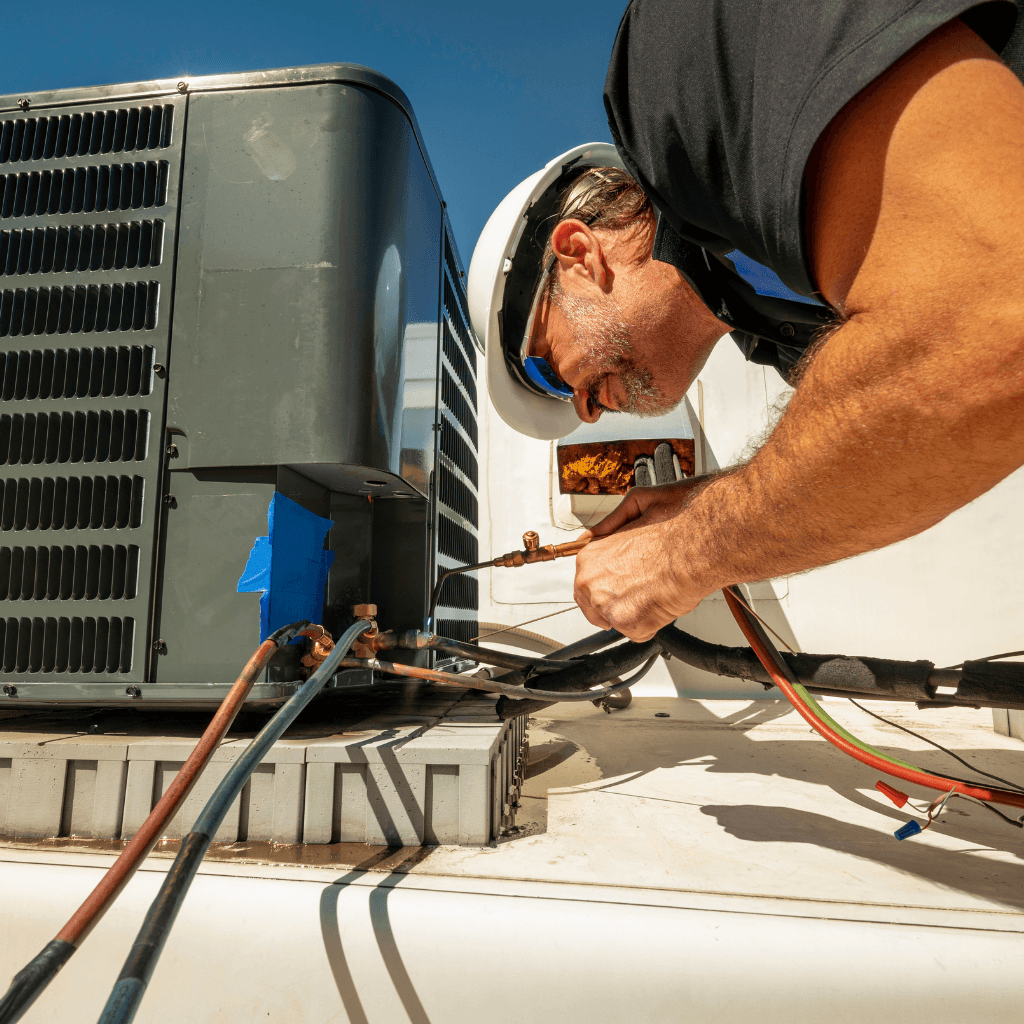
The outdoor condenser and the indoor coil are matched components and should be replaced together. Installing a new condenser against an old coil produces a system that underperforms and voids most manufacturer warranties.
If the furnace or air handler is of similar age, replacing everything at once is usually cheaper than doing it in two visits eighteen months apart.
The quote should also cover refrigerant lines where needed, the thermostat, electrical connections, the permit, and disposal of the old equipment. Quotes that omit these are not cheaper. They are less complete.
System size is the first factor, measured in tons of cooling capacity. Bigger houses need more capacity, though the relationship is not as simple as square footage.
Efficiency rating is the second. Higher SEER2 units cost more upfront and less to run. In Redlands, where systems run hard from June into October, the payback period on higher efficiency is genuinely shorter than it would be closer to the coast.
Installation complexity is the third and most variable. Most Redlands homes built between the 1950s and 1970s have the air handler and ductwork in the attic, which costs more to work in than a ground-level closet or garage. Electrical panels in older homes frequently need upgrading before a modern condenser can be connected.
Then there is what the technician finds. Failed flex duct, undersized electrical service, or a condensate line discharging incorrectly all get resolved during a replacement. They should appear on the quote rather than as a surprise on the invoice.
This deserves its own section because it affects most of the city's housing stock.
Redlands attic temperatures climb well past 140 degrees in August. Flexible ductwork installed decades ago degrades in that environment. Insulation compresses, joints separate, and sections sag or collapse under their own weight.
A new condenser feeding compromised ductwork will not deliver the cooling it is rated for, and the homeowner concludes the new system is faulty. It usually is not. The air is being lost before it reaches the rooms.
Any competent replacement quote should include an assessment of the ductwork rather than an assumption that it is fine. If the duct system needs work, that is a real cost and it belongs in the conversation before you sign, not after.
Redlands has one of the larger inventories of pre-1940 housing in the region, concentrated downtown and through the older neighborhoods on the south side of the city.
Many of these homes never had central air. Retrofitting ductwork into a house with plaster walls, limited attic clearance, and original architectural detail is expensive and sometimes destructive.
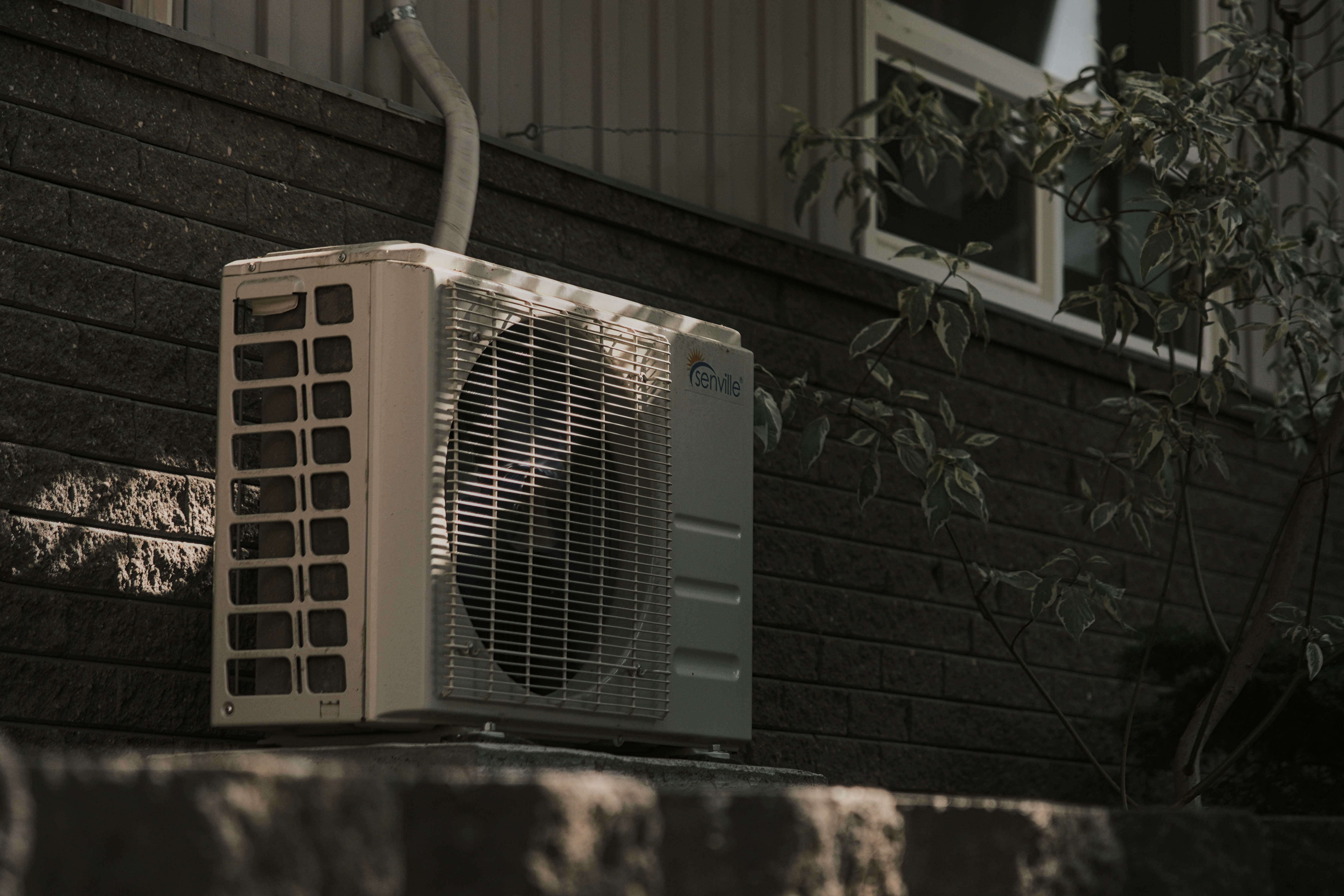
Ductless mini-split systems are frequently the better answer. They cost more per zone than a central system but require no ductwork, allow room-by-room control, and avoid cutting into a house whose value is partly in its original construction.
If a contractor quotes a full ducted retrofit on a 1920s Redlands home without raising mini-splits as an option, get a second opinion.
An oversized system is a genuine problem, not a safety margin.
A unit that is too large cools the air quickly, satisfies the thermostat, and shuts off before it has run long enough to remove humidity. The result is short cycling, which wears components and produces a house that feels cool and clammy.
Short cycling also increases running costs, because starting a compressor draws far more power than running one.
A proper quote follows a Manual J load calculation that accounts for square footage, insulation, window area, and orientation. That last one matters here, where west-facing glass takes direct afternoon sun with nothing between it and the valley floor.
A contractor who sizes a system by looking at what was there before is repeating whatever mistake was made last time.
Age is the starting point. Systems past roughly a decade in this climate have usually done most of their work, since they run far harder here than the same unit would in a milder region.
A useful rule is to compare the repair cost against the age of the unit. A significant repair on a system already past ten years rarely represents good value.
Refrigerant type matters as well. Older systems running R-22, which is no longer produced, are increasingly expensive to service. A refrigerant leak on one of those is usually the point to replace rather than recharge.
Repeated repairs are the clearest signal. Two service calls in one Redlands summer on an aging system generally means you are financing a replacement in installments while still being uncomfortable.
Ask for the tonnage and the SEER2 rating in writing so you can compare quotes on the same basis.
Confirm whether the indoor coil is included. This is the most common omission that makes one quote appear cheaper than another.
Ask whether the permit is included and whether the installation will be inspected. California requires a permit for HVAC replacement, and unpermitted work causes real problems at the point of sale.
Separate the equipment warranty from the labor warranty. Manufacturer warranties on the equipment are standard. Labor coverage varies considerably between contractors and is where the difference actually shows up. Any HVAC installation quote in Redlands should state both clearly.
Replacing in late July, when the system has already failed and every contractor in the area is booked, is the most expensive way to do it.
Spring and fall are quieter. Scheduling is easier, and you have time to get several quotes rather than accepting the first available appointment.
If your system is aging but still working, having it assessed before the season rather than during it puts you in a considerably better negotiating position. A pre-season AC assessment from a Redlands HVAC contractor costs very little, and it is the difference between choosing a system and being sold one.
And if a unit is limping through one more summer, factor the running cost into the comparison. An old, inefficient system working through a Redlands August has an electricity bill attached that people rarely include in the calculation.
Aloha Heating & Air serves Redlands and the surrounding Inland Empire with emergency response, upfront pricing, and licensed technicians. Call (909) 570-4588 or view our Redlands HVAC services.