May 4, 2026
HVAC
Tips to Boost HVAC Efficiency
Keeping your HVAC system running efficiently isn’t just good for your wallet.
May 4, 2026
HVAC
Keeping your HVAC system running efficiently isn’t just good for your wallet.
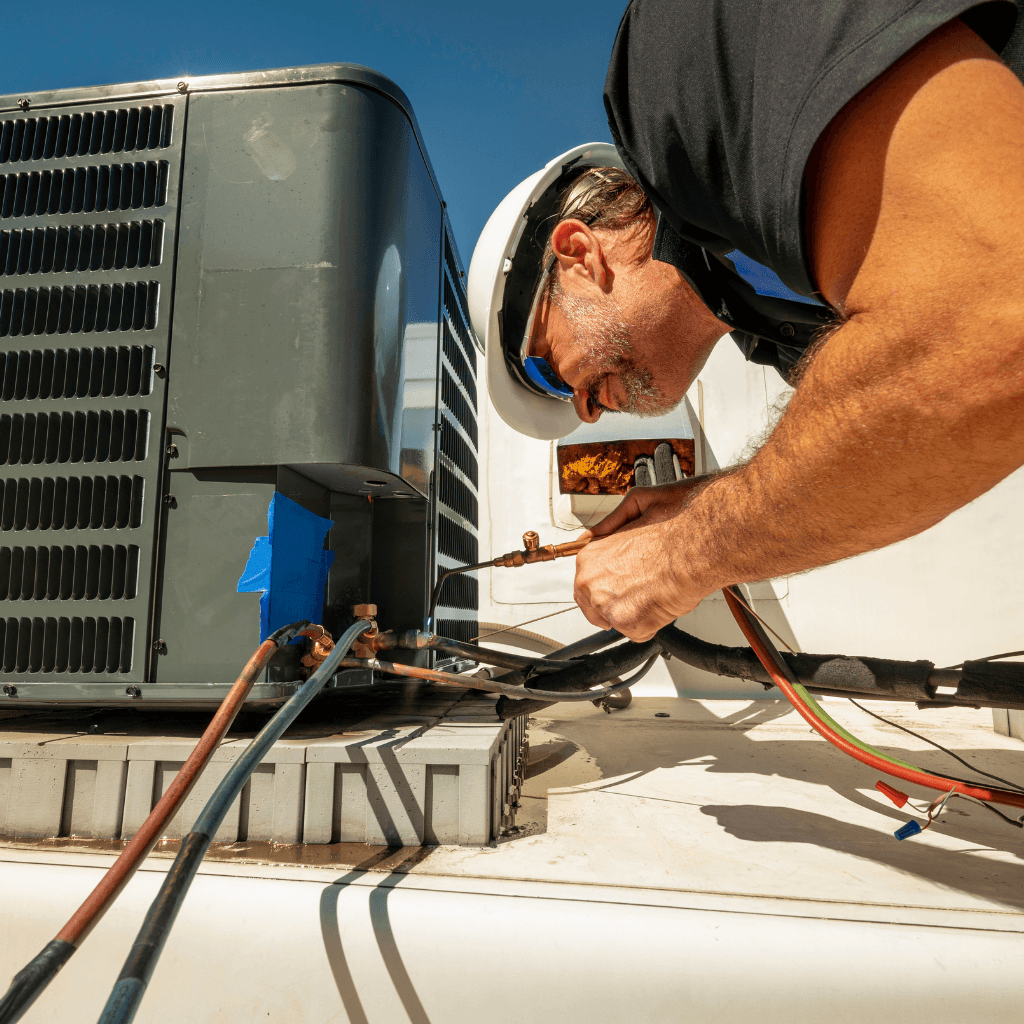
Boosting your HVAC system’s efficiency helps lower energy bills and keeps your home comfortable year-round. Start by scheduling regular maintenance to ensure all parts are clean and working properly. Changing or cleaning air filters often improves airflow and reduces strain on your system.
Upgrading to a smart thermostat allows you to control your heating and cooling based on your schedule, avoiding unnecessary energy use. Sealing any leaks in your ductwork and adding proper insulation helps prevent cooled or heated air from escaping, maximizing efficiency.
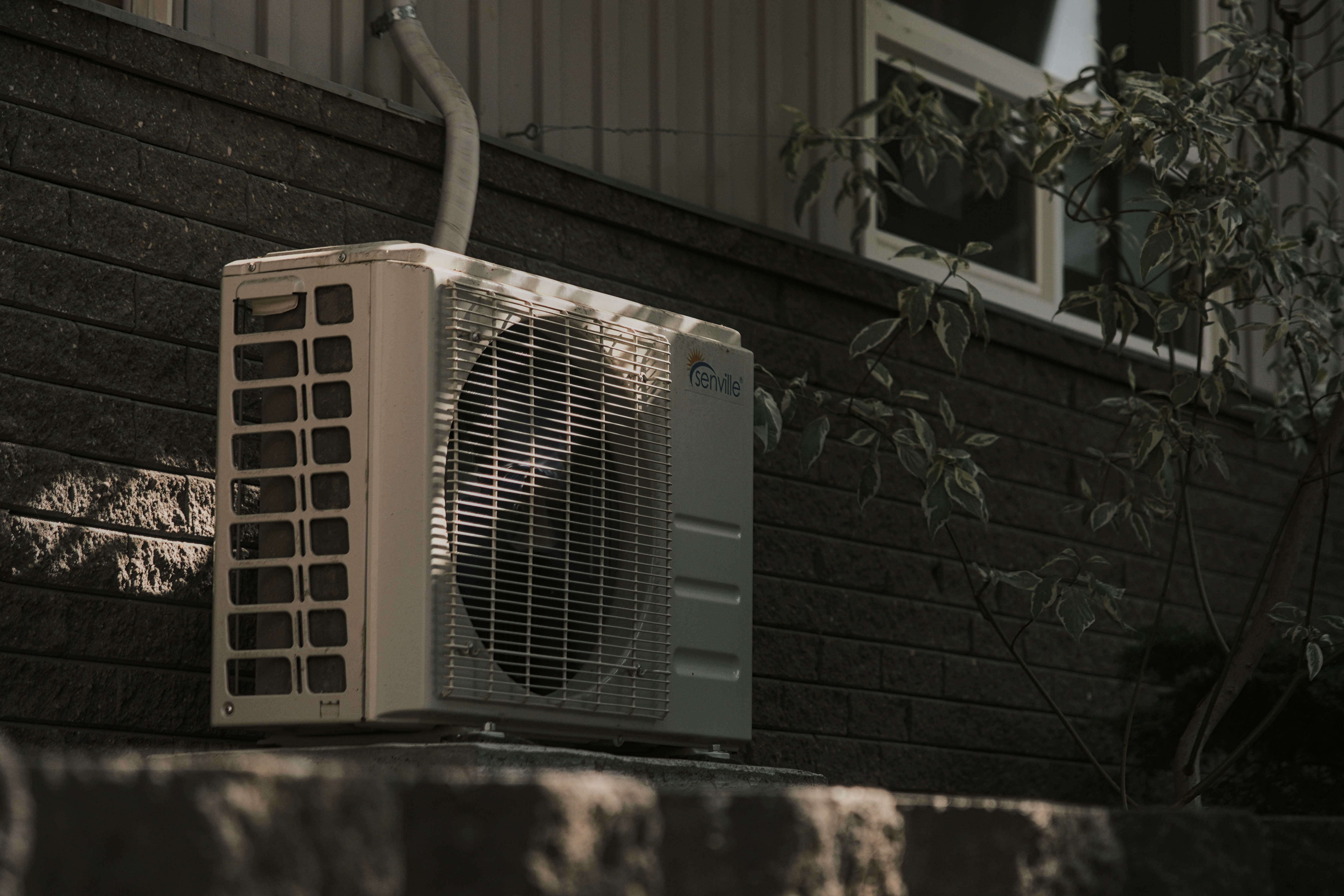
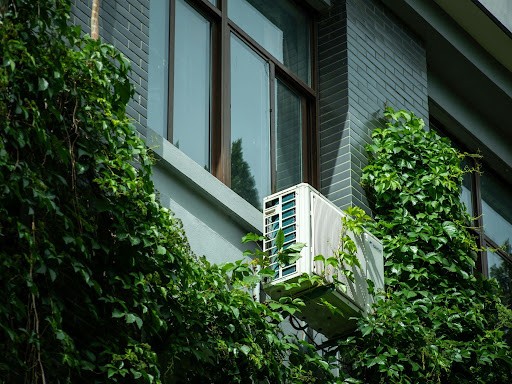
Keeping vents and outdoor units clear of obstructions improves airflow, letting your system work at its best. Using ceiling fans can also help circulate air, allowing you to adjust your thermostat for greater energy savings without sacrificing comfort.
Finally, if your HVAC system is old or frequently breaking down, consider upgrading to a modern, energy-efficient model — the long-term savings and comfort benefits make it worth the investment.
FAQ
The best ways to improve HVAC efficiency include regular maintenance, replacing air filters, sealing duct leaks, upgrading to a programmable thermostat, and ensuring proper insulation. These steps help your system run smoothly and reduce energy waste.
For optimal efficiency, HVAC systems should be serviced at least twice a year—once before the cooling season and once before the heating season. Routine maintenance ensures all components are clean, calibrated, and functioning properly.
Yes, dirty or clogged air filters restrict airflow, forcing your HVAC system to work harder. This reduces efficiency, increases energy costs, and can lead to system wear and tear. Replacing filters every 1–3 months is recommended.
A smart or programmable thermostat can significantly improve efficiency by automatically adjusting temperature settings based on your schedule. This prevents unnecessary energy usage when you’re away or asleep.
Leaky ducts can cause significant energy loss by allowing conditioned air to escape before reaching your living spaces. Sealing ducts improves airflow, reduces energy waste, and ensures consistent indoor temperatures.
FAQ
The best ways to improve HVAC efficiency include regular maintenance, replacing air filters, sealing duct leaks, upgrading to a programmable thermostat, and ensuring proper insulation. These steps help your system run smoothly and reduce energy waste.
For optimal efficiency, HVAC systems should be serviced at least twice a year—once before the cooling season and once before the heating season. Routine maintenance ensures all components are clean, calibrated, and functioning properly.
Yes, dirty or clogged air filters restrict airflow, forcing your HVAC system to work harder. This reduces efficiency, increases energy costs, and can lead to system wear and tear. Replacing filters every 1–3 months is recommended.
A smart or programmable thermostat can significantly improve efficiency by automatically adjusting temperature settings based on your schedule. This prevents unnecessary energy usage when you’re away or asleep.
Leaky ducts can cause significant energy loss by allowing conditioned air to escape before reaching your living spaces. Sealing ducts improves airflow, reduces energy waste, and ensures consistent indoor temperatures.
FAQ
The best ways to improve HVAC efficiency include regular maintenance, replacing air filters, sealing duct leaks, upgrading to a programmable thermostat, and ensuring proper insulation. These steps help your system run smoothly and reduce energy waste.
For optimal efficiency, HVAC systems should be serviced at least twice a year—once before the cooling season and once before the heating season. Routine maintenance ensures all components are clean, calibrated, and functioning properly.
Yes, dirty or clogged air filters restrict airflow, forcing your HVAC system to work harder. This reduces efficiency, increases energy costs, and can lead to system wear and tear. Replacing filters every 1–3 months is recommended.
A smart or programmable thermostat can significantly improve efficiency by automatically adjusting temperature settings based on your schedule. This prevents unnecessary energy usage when you’re away or asleep.
Leaky ducts can cause significant energy loss by allowing conditioned air to escape before reaching your living spaces. Sealing ducts improves airflow, reduces energy waste, and ensures consistent indoor temperatures.
The best ways to improve HVAC efficiency include regular maintenance, replacing air filters, sealing duct leaks, upgrading to a programmable thermostat, and ensuring proper insulation. These steps help your system run smoothly and reduce energy waste.
For optimal efficiency, HVAC systems should be serviced at least twice a year—once before the cooling season and once before the heating season. Routine maintenance ensures all components are clean, calibrated, and functioning properly.
Yes, dirty or clogged air filters restrict airflow, forcing your HVAC system to work harder. This reduces efficiency, increases energy costs, and can lead to system wear and tear. Replacing filters every 1–3 months is recommended.
A smart or programmable thermostat can significantly improve efficiency by automatically adjusting temperature settings based on your schedule. This prevents unnecessary energy usage when you’re away or asleep.
Leaky ducts can cause significant energy loss by allowing conditioned air to escape before reaching your living spaces. Sealing ducts improves airflow, reduces energy waste, and ensures consistent indoor temperatures.
Reach out

Aloha Plumbing Heating & Air
555 W County Line Rd
Calimesa, CA 92320
Reach out
Aloha Plumbing Heating & Air
555 W County Line Rd
Calimesa, CA 92320
Reach out
Aloha Plumbing Heating & Air
555 W County Line Rd
Calimesa, CA 92320