Jul 27, 2026

HVAC

How Redlands Summers Affect Your AC (and How to Prepare)

Redlands summers are longer and hotter than most AC systems are designed for. Understanding exactly how the heat affects your equipment is the first step toward keeping it running reliably all season.

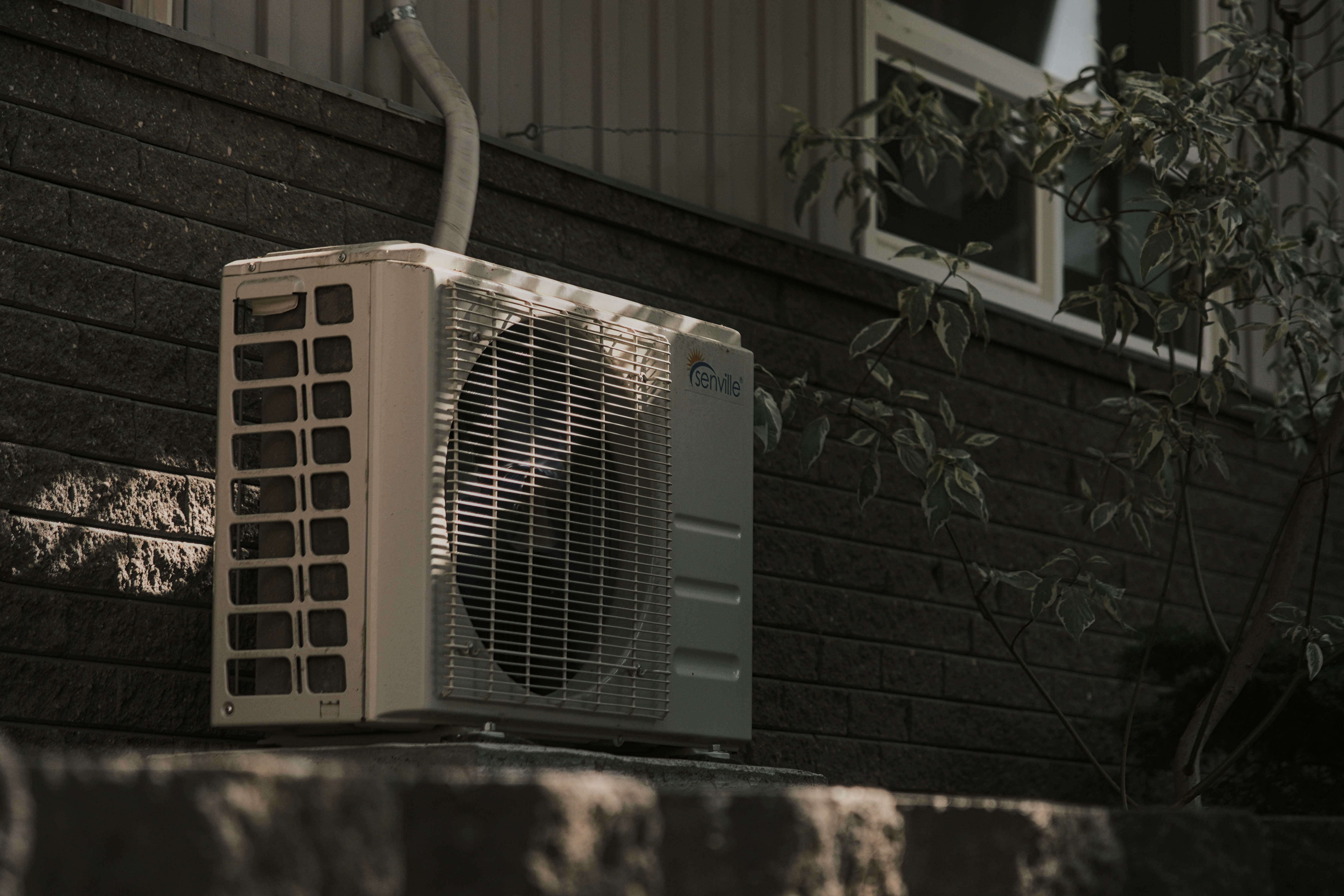
Outdoor AC condenser unit next to a residential building in warm weather

Redlands sits in the eastern end of the San Bernardino Valley, where hot air settles and stays. Summer temperatures regularly reach the upper 90s and frequently push past 105 degrees during peak heat events. The city’s combination of inland geography, low elevation near the valley floor, and minimal coastal influence means the cooling season here is both hotter and longer than it is in most of Southern California.

For homeowners, this translates directly into how much their AC system has to work and how fast that work adds up to wear. Understanding what is actually happening inside your equipment during a Redlands summer is not just interesting knowledge. It tells you what to prioritize, what to watch for, and when to act before a small issue becomes a breakdown during the worst possible week.

What Makes Redlands Summers Unusually Hard on AC Systems

AC systems are rated for performance under standard test conditions, typically with outdoor temperatures around 95 degrees. When ambient temperatures exceed that threshold, the system’s efficiency drops, its components work harder, and the risk of failure increases. In Redlands, where temperatures routinely exceed 100 degrees and heat events can sustain those levels for multiple consecutive days, systems operate outside their rated performance range for extended stretches every summer.

Beyond raw temperature, the length of the season matters. Redlands AC systems may run continuously from late May through early October, sometimes longer. That runtime is significantly greater than what systems in more temperate climates accumulate in a full year. Components that are rated for a certain number of operating hours reach that threshold much faster here, which is why local systems often show meaningful wear 2 to 3 years earlier than manufacturer estimates suggest.

The Compressor Bears the Biggest Burden

The compressor is the most expensive single component in an AC system, and it is the one most directly stressed by Redlands temperatures. The compressor’s job is to pressurize the refrigerant so it can absorb heat from inside the home and release it outside. When outdoor temperatures are high, it becomes harder for the condenser to reject that heat, which means the compressor has to work harder and run at higher pressures to complete the same cooling cycle.

Over time, that elevated pressure and heat stress shortens compressor life. Compressor failure is one of the most expensive repair scenarios a homeowner can face, often costing more than the value of the system justifies if the unit is already several years old. Keeping the condenser coils clean, ensuring proper refrigerant charge, and maintaining adequate airflow around the outdoor unit all reduce the load on the compressor and extend its useful life under Redlands conditions.

Capacitors and Contactors Fail Earlier in Hot Climates

Capacitors are small electrical components that provide the starting and running power for the compressor and fan motors. They are among the most commonly replaced parts in any AC system, and heat accelerates their degradation significantly. In a climate like Redlands, where the outdoor unit may sit in direct sun for hours at temperatures well above 100 degrees, capacitor failure rates are meaningfully higher than in cooler regions.

Contactors, which are the electrical switches that control power to the outdoor unit, wear out from the repeated on-off cycles of a heavily used summer system. A failing contactor may cause the outdoor unit to run continuously even when the thermostat is satisfied, or it may prevent the unit from starting at all. Both capacitor and contactor failure produce warning signs before complete failure. A humming sound from the outdoor unit, the system struggling to start, or intermittent operation are all early indicators that these components need attention.

Refrigerant Stress Under High Ambient Temperatures

Refrigerant operates at higher pressures when outdoor temperatures are elevated. A system that is slightly low on refrigerant may function acceptably in mild weather but struggle visibly when Redlands temperatures spike. The reduced refrigerant level combined with the extra demand placed on the system creates compounded inefficiency that shows up as rooms that never quite cool down, longer run cycles, and higher energy bills.

Refrigerant does not deplete naturally. If levels are low, there is a leak somewhere in the system. That leak should be located and repaired before refrigerant is added, otherwise the problem recurs within a season. Because refrigerant handling requires EPA certification, this is not a task homeowners can address themselves. Having a technician check refrigerant charge as part of a pre-season inspection catches this issue before it compounds into a summer breakdown.

Older Redlands Homes Face Extra Challenges

Redlands has a significant stock of older homes, many built before modern insulation standards and energy codes. These homes lose conditioned air more quickly through walls, attics, and windows, which means the AC system has to run longer and work harder to maintain a comfortable indoor temperature. A system that would be correctly sized for a well-insulated modern home may be undersized for an older Redlands property with comparable square footage.

Duct systems in older homes also tend to have more leaks and deteriorated insulation than newer construction. Leaky ducts waste a significant portion of the cool air the system produces before it ever reaches the living spaces. This forces the system to run even longer to compensate, accelerating wear. Duct sealing and attic insulation upgrades are among the highest-impact improvements a Redlands homeowner can make to reduce how hard the AC system has to work each summer.

What to Do Before the Heat Season Arrives

The most effective preparation is a professional tune-up in late February or March, before temperatures in Redlands begin climbing in earnest. A thorough pre-season inspection covers refrigerant level, coil condition, electrical components including capacitors and contactors, thermostat calibration, condensate drain flushing, and air filter replacement. Each of these items directly affects how reliably the system performs when summer demand peaks.

Scheduling early also gives you time to address any findings without pressure. If the inspection reveals a capacitor reading near failure or a refrigerant leak that needs repair, you can handle those issues in March at normal pricing and with full scheduling flexibility. The same repair discovered during a July breakdown costs more, takes longer to schedule, and leaves you without cooling in the meantime.

What to Watch for During the Season

Even a well-maintained system can develop issues over a long Redlands summer. Pay attention to any change in how the system sounds or performs. Unusual noises from the outdoor unit such as humming, rattling, or grinding are worth investigating promptly. A system that begins running longer cycles without a corresponding increase in outdoor temperature, or rooms that were previously comfortable but no longer cool as effectively, are both signs that something has changed.

Monitor your energy bills as well. A meaningful increase in electricity consumption without a change in usage habits or outdoor temperature often indicates that the system is working harder than it should, which points to a developing efficiency issue. Catching these signals early in the season is what separates a minor service call from a complete system failure on the hottest day of the year.

How to Extend Your System’s Life in a Demanding Climate

Annual professional maintenance is the single most effective step. But it works best when paired with consistent homeowner habits throughout the season. Replace the air filter every 30 days during heavy summer use, keep at least two feet of clearance around the outdoor unit, gently rinse the condenser coil fins with a garden hose when visible debris accumulates, and make sure all supply and return vents inside the home are unobstructed and open.

Shade for the outdoor unit, either from a structure or strategically placed vegetation that does not restrict airflow, can lower the ambient temperature around the condenser and reduce how hard it works to reject heat. These steps collectively keep the system operating closer to its rated efficiency throughout the season, reducing strain on every component and extending the years of reliable service you get from the equipment.

FAQ

Have more questions? Our team is happy to help.

Frequently asked
questions

How does the Redlands climate shorten AC system lifespan compared to cooler regions?

Redlands systems run far more hours per year than systems in milder climates, and they do so at higher operating pressures and temperatures due to extreme summer heat. Components like compressors, capacitors, and fan motors reach their rated operating hour limits years earlier than manufacturer estimates predict. A system that lasts 15 years in a temperate climate may show significant wear after 10 to 12 years in Redlands under normal maintenance.

What is the most common AC failure in Redlands during summer?

Capacitor failure is the most frequent repair call during Redlands summers. The combination of high ambient temperatures and continuous operation degrades capacitors faster than in cooler climates. A failing capacitor causes the compressor or fan motor to struggle starting, produces a humming sound from the outdoor unit, and eventually leads to the system failing to run at all. Fortunately, capacitor replacement is one of the less expensive AC repairs when caught early.

Should I do anything specific to prepare my AC before a Redlands heat wave?

In the days before a forecast heat event, make sure your air filter is clean and that the outdoor unit has clear airflow on all sides. Set your thermostat a degree or two lower than usual before the hottest part of the day arrives so the home starts from a cooler baseline. Avoid scheduling high-heat-producing activities like oven use during peak afternoon hours. If the system has not been serviced recently, contact a technician sooner rather than later since demand spikes sharply once heat arrives.

How often should a Redlands homeowner replace their AC air filter in summer?

Every 30 days during peak summer use is the right schedule for most Redlands homes. Dusty conditions, nearby construction, pets, and older homes with leakier envelopes can push that to every 3 weeks during the height of summer. A clogged filter is the single easiest preventable cause of reduced cooling performance and increased system strain. Check the filter visually every few weeks and replace it as soon as it shows discoloration.

Yes, thoughtfully placed shade can lower the ambient temperature around the condenser by 5 to 10 degrees, which reduces how hard the unit has to work to reject heat. Natural shade from trees or a purpose-built shade structure can help, as long as it does not restrict airflow. The condenser needs at least two feet of open clearance on all sides and unobstructed space above. Shade that blocks airflow creates more problems than it solves.

Yes, thoughtfully placed shade can lower the ambient temperature around the condenser by 5 to 10 degrees, which reduces how hard the unit has to work to reject heat. Natural shade from trees or a purpose-built shade structure can help, as long as it does not restrict airflow. The condenser needs at least two feet of open clearance on all sides and unobstructed space above. Shade that blocks airflow creates more problems than it solves.

How do I know if my AC system is undersized for my Redlands home?

The clearest sign is a system that runs continuously during moderate heat days without reaching the set temperature. An undersized system cannot keep up with the heat load of the home even under normal conditions, and the problem becomes severe during Redlands heat events. Other signs include certain rooms that are always warmer than the rest of the house and energy bills that have climbed steadily despite no change in habits. A load calculation by a qualified HVAC technician can confirm whether the system capacity matches the home.

FAQ

Have more questions? Our team is happy to help.

Frequently asked
questions

How does the Redlands climate shorten AC system lifespan compared to cooler regions?

Redlands systems run far more hours per year than systems in milder climates, and they do so at higher operating pressures and temperatures due to extreme summer heat. Components like compressors, capacitors, and fan motors reach their rated operating hour limits years earlier than manufacturer estimates predict. A system that lasts 15 years in a temperate climate may show significant wear after 10 to 12 years in Redlands under normal maintenance.

What is the most common AC failure in Redlands during summer?

Capacitor failure is the most frequent repair call during Redlands summers. The combination of high ambient temperatures and continuous operation degrades capacitors faster than in cooler climates. A failing capacitor causes the compressor or fan motor to struggle starting, produces a humming sound from the outdoor unit, and eventually leads to the system failing to run at all. Fortunately, capacitor replacement is one of the less expensive AC repairs when caught early.

Should I do anything specific to prepare my AC before a Redlands heat wave?

In the days before a forecast heat event, make sure your air filter is clean and that the outdoor unit has clear airflow on all sides. Set your thermostat a degree or two lower than usual before the hottest part of the day arrives so the home starts from a cooler baseline. Avoid scheduling high-heat-producing activities like oven use during peak afternoon hours. If the system has not been serviced recently, contact a technician sooner rather than later since demand spikes sharply once heat arrives.

How often should a Redlands homeowner replace their AC air filter in summer?

Every 30 days during peak summer use is the right schedule for most Redlands homes. Dusty conditions, nearby construction, pets, and older homes with leakier envelopes can push that to every 3 weeks during the height of summer. A clogged filter is the single easiest preventable cause of reduced cooling performance and increased system strain. Check the filter visually every few weeks and replace it as soon as it shows discoloration.

Yes, thoughtfully placed shade can lower the ambient temperature around the condenser by 5 to 10 degrees, which reduces how hard the unit has to work to reject heat. Natural shade from trees or a purpose-built shade structure can help, as long as it does not restrict airflow. The condenser needs at least two feet of open clearance on all sides and unobstructed space above. Shade that blocks airflow creates more problems than it solves.

Yes, thoughtfully placed shade can lower the ambient temperature around the condenser by 5 to 10 degrees, which reduces how hard the unit has to work to reject heat. Natural shade from trees or a purpose-built shade structure can help, as long as it does not restrict airflow. The condenser needs at least two feet of open clearance on all sides and unobstructed space above. Shade that blocks airflow creates more problems than it solves.

How do I know if my AC system is undersized for my Redlands home?

The clearest sign is a system that runs continuously during moderate heat days without reaching the set temperature. An undersized system cannot keep up with the heat load of the home even under normal conditions, and the problem becomes severe during Redlands heat events. Other signs include certain rooms that are always warmer than the rest of the house and energy bills that have climbed steadily despite no change in habits. A load calculation by a qualified HVAC technician can confirm whether the system capacity matches the home.

FAQ

Have more questions? Our team is happy to help.

Frequently asked
questions

How does the Redlands climate shorten AC system lifespan compared to cooler regions?

Redlands systems run far more hours per year than systems in milder climates, and they do so at higher operating pressures and temperatures due to extreme summer heat. Components like compressors, capacitors, and fan motors reach their rated operating hour limits years earlier than manufacturer estimates predict. A system that lasts 15 years in a temperate climate may show significant wear after 10 to 12 years in Redlands under normal maintenance.

What is the most common AC failure in Redlands during summer?

Capacitor failure is the most frequent repair call during Redlands summers. The combination of high ambient temperatures and continuous operation degrades capacitors faster than in cooler climates. A failing capacitor causes the compressor or fan motor to struggle starting, produces a humming sound from the outdoor unit, and eventually leads to the system failing to run at all. Fortunately, capacitor replacement is one of the less expensive AC repairs when caught early.

Should I do anything specific to prepare my AC before a Redlands heat wave?

In the days before a forecast heat event, make sure your air filter is clean and that the outdoor unit has clear airflow on all sides. Set your thermostat a degree or two lower than usual before the hottest part of the day arrives so the home starts from a cooler baseline. Avoid scheduling high-heat-producing activities like oven use during peak afternoon hours. If the system has not been serviced recently, contact a technician sooner rather than later since demand spikes sharply once heat arrives.

How often should a Redlands homeowner replace their AC air filter in summer?

Every 30 days during peak summer use is the right schedule for most Redlands homes. Dusty conditions, nearby construction, pets, and older homes with leakier envelopes can push that to every 3 weeks during the height of summer. A clogged filter is the single easiest preventable cause of reduced cooling performance and increased system strain. Check the filter visually every few weeks and replace it as soon as it shows discoloration.

Yes, thoughtfully placed shade can lower the ambient temperature around the condenser by 5 to 10 degrees, which reduces how hard the unit has to work to reject heat. Natural shade from trees or a purpose-built shade structure can help, as long as it does not restrict airflow. The condenser needs at least two feet of open clearance on all sides and unobstructed space above. Shade that blocks airflow creates more problems than it solves.

Yes, thoughtfully placed shade can lower the ambient temperature around the condenser by 5 to 10 degrees, which reduces how hard the unit has to work to reject heat. Natural shade from trees or a purpose-built shade structure can help, as long as it does not restrict airflow. The condenser needs at least two feet of open clearance on all sides and unobstructed space above. Shade that blocks airflow creates more problems than it solves.

How do I know if my AC system is undersized for my Redlands home?

The clearest sign is a system that runs continuously during moderate heat days without reaching the set temperature. An undersized system cannot keep up with the heat load of the home even under normal conditions, and the problem becomes severe during Redlands heat events. Other signs include certain rooms that are always warmer than the rest of the house and energy bills that have climbed steadily despite no change in habits. A load calculation by a qualified HVAC technician can confirm whether the system capacity matches the home.

Have more questions? Our team is happy to help.

Frequently asked
questions

How does the Redlands climate shorten AC system lifespan compared to cooler regions?

Redlands systems run far more hours per year than systems in milder climates, and they do so at higher operating pressures and temperatures due to extreme summer heat. Components like compressors, capacitors, and fan motors reach their rated operating hour limits years earlier than manufacturer estimates predict. A system that lasts 15 years in a temperate climate may show significant wear after 10 to 12 years in Redlands under normal maintenance.

What is the most common AC failure in Redlands during summer?

Capacitor failure is the most frequent repair call during Redlands summers. The combination of high ambient temperatures and continuous operation degrades capacitors faster than in cooler climates. A failing capacitor causes the compressor or fan motor to struggle starting, produces a humming sound from the outdoor unit, and eventually leads to the system failing to run at all. Fortunately, capacitor replacement is one of the less expensive AC repairs when caught early.

Should I do anything specific to prepare my AC before a Redlands heat wave?

In the days before a forecast heat event, make sure your air filter is clean and that the outdoor unit has clear airflow on all sides. Set your thermostat a degree or two lower than usual before the hottest part of the day arrives so the home starts from a cooler baseline. Avoid scheduling high-heat-producing activities like oven use during peak afternoon hours. If the system has not been serviced recently, contact a technician sooner rather than later since demand spikes sharply once heat arrives.

How often should a Redlands homeowner replace their AC air filter in summer?

Every 30 days during peak summer use is the right schedule for most Redlands homes. Dusty conditions, nearby construction, pets, and older homes with leakier envelopes can push that to every 3 weeks during the height of summer. A clogged filter is the single easiest preventable cause of reduced cooling performance and increased system strain. Check the filter visually every few weeks and replace it as soon as it shows discoloration.

Yes, thoughtfully placed shade can lower the ambient temperature around the condenser by 5 to 10 degrees, which reduces how hard the unit has to work to reject heat. Natural shade from trees or a purpose-built shade structure can help, as long as it does not restrict airflow. The condenser needs at least two feet of open clearance on all sides and unobstructed space above. Shade that blocks airflow creates more problems than it solves.

Yes, thoughtfully placed shade can lower the ambient temperature around the condenser by 5 to 10 degrees, which reduces how hard the unit has to work to reject heat. Natural shade from trees or a purpose-built shade structure can help, as long as it does not restrict airflow. The condenser needs at least two feet of open clearance on all sides and unobstructed space above. Shade that blocks airflow creates more problems than it solves.

How do I know if my AC system is undersized for my Redlands home?

The clearest sign is a system that runs continuously during moderate heat days without reaching the set temperature. An undersized system cannot keep up with the heat load of the home even under normal conditions, and the problem becomes severe during Redlands heat events. Other signs include certain rooms that are always warmer than the rest of the house and energy bills that have climbed steadily despite no change in habits. A load calculation by a qualified HVAC technician can confirm whether the system capacity matches the home.

Explore More Blog

Explore More Blog

Reach out

Ready to Book?
Contact Us Today

Aloha Plumbing Heating & Air

555 W County Line Rd
Calimesa, CA 92320

Reach out

Ready to Book?
Contact Us Today

Aloha Plumbing Heating & Air

555 W County Line Rd
Calimesa, CA 92320

Reach out

Ready to Book?
Contact Us Today

Aloha Plumbing Heating & Air

555 W County Line Rd
Calimesa, CA 92320