Riverside sits in one of the hottest parts of Southern California. Summers arrive early, stay long, and push residential AC systems harder than most other regions in the country. For homeowners here, HVAC maintenance is not optional it is a practical necessity that directly affects comfort, energy costs, and how long the system lasts.
But timing matters. Scheduling maintenance at the right point in the year means your system is prepared when it matters most. Schedule too late and you are competing with emergency calls and limited availability. Skip it entirely and you are rolling the dice every summer.
Why Riverside’s Climate Makes Timing Critical
Most HVAC manufacturers recommend annual maintenance. In Riverside, that advice barely covers what the climate demands. Summer temperatures regularly exceed 100 degrees and can push past 110 during heat events. AC systems here run for months at near-maximum capacity far more than the average across the country.
That level of use accelerates wear on capacitors, fan motors, refrigerant seals, and electrical contacts. A system that would last 15 years in a mild climate may show significant component wear after 10 years in Riverside. Pre-season maintenance addresses that wear before it becomes a breakdown, and it gives the system the best possible chance of performing reliably through the months it is needed most.
The Best Window: Late February Through March
The ideal time to schedule AC maintenance in Riverside is late February through March. Temperatures have not yet climbed to the point where the system is running constantly, which means HVAC companies have more scheduling availability. Weekend and preferred-time slots are easier to get, and there is no urgency forcing you into rushed decisions.
More importantly, scheduling at this point gives you time to act on any findings. If the technician discovers a failing capacitor, low refrigerant, or dirty coils, you can address those issues before heat season begins not during it, when repair costs are higher and wait times are longer. A late-winter tune-up is proactive maintenance done at the right pace.
April and May Still Work — With One Caveat
If you missed the February–March window, April and May are still solid options. Temperatures in Riverside are warming by April but have not yet hit the extremes that will strain your system. HVAC companies are busier than in late winter but not yet overwhelmed by peak-season demand.
The caveat is that you are shortening the buffer between maintenance and heavy use. If the inspection uncovers a part that needs ordering, April and May still give you enough runway to get repairs done before June. By late May, however, that buffer shrinks significantly and you are playing closer to the edge of peak season.
The Fall Visit: Early October Is Ideal for Heating
Riverside winters are mild compared to most of the country, but temperatures do drop enough at night to make heating system reliability matter. October is the right time to schedule a furnace or heat pump inspection. Systems that have been sitting dormant through a long cooling season may have dust buildup, ignition issues, or worn parts that need attention before the first cold nights arrive.
Homeowners who take care of both visits spring for the AC and fall for the heating system rarely face HVAC emergencies. The two tune-ups together address wear across the entire system at the point in the year when each component is about to be called into heavy service. This schedule reflects how the system actually gets used rather than following a generic once-per-year recommendation.
Why You Should Not Wait Until Something Goes Wrong
Reactive maintenance calling for service only after the system breaks down is the most expensive way to manage an HVAC system. Emergency service calls carry premium pricing. Technicians diagnosing a failed system under 108-degree heat are working at maximum demand, and parts that need ordering create multi-day gaps in comfort during the worst possible conditions.
Preventative maintenance, by comparison, allows problems to be discovered at normal rates during non-urgent appointments. A capacitor that costs 150 to 300 dollars replaced in March costs the same in parts but is far less disruptive than the same repair on the hottest day of July with a two-day wait for available service. The math strongly favors scheduling before you need the system at full capacity.
What to Expect During a Pre-Season Tune-Up
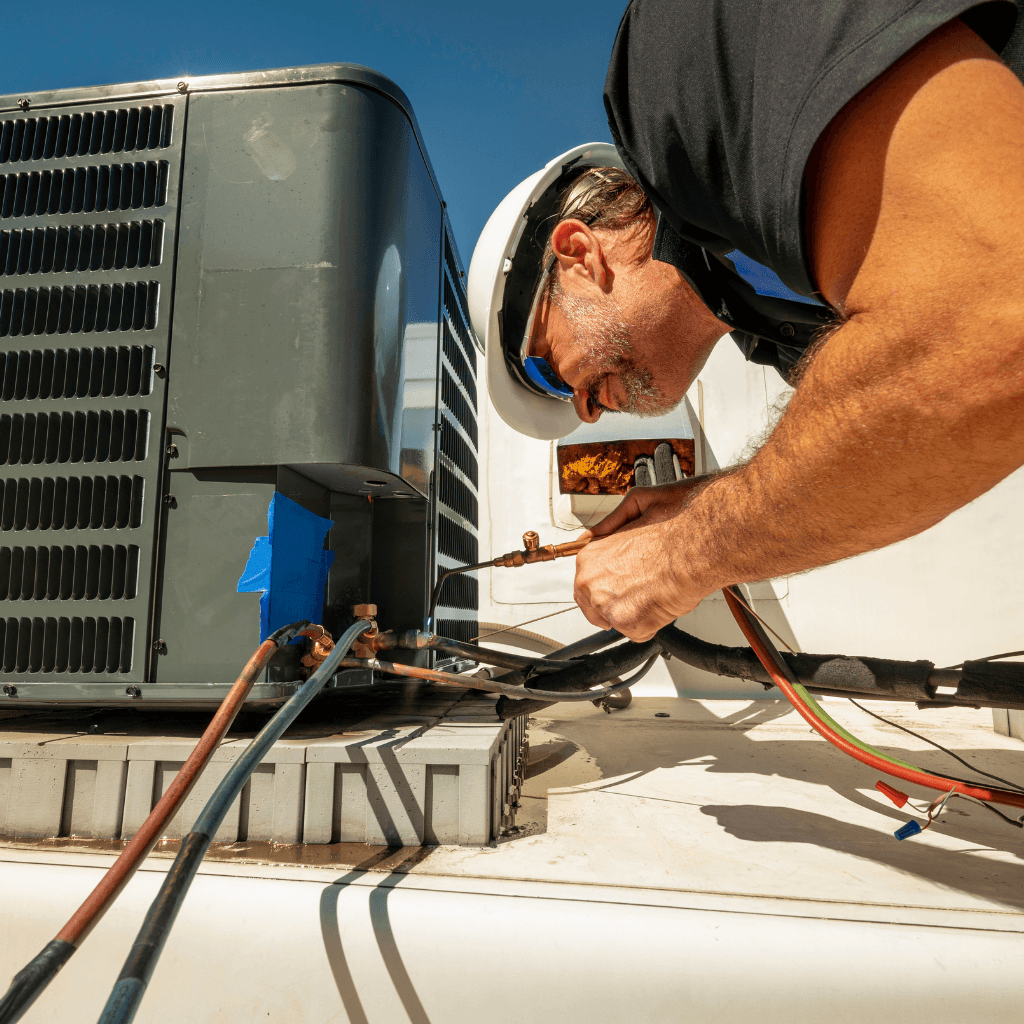
A thorough spring maintenance visit in Riverside should cover several key areas. The technician will inspect and clean the evaporator and condenser coils, check refrigerant charge and look for any signs of leakage, test electrical components including the capacitor and contactor, verify that the blower motor is operating correctly, calibrate the thermostat, flush the condensate drain line, and replace or inspect the air filter.
The goal is not just to confirm the system is working, it is to identify any component showing early signs of wear so that repairs can be made before they become failures. A good technician will walk you through any findings and give you clear pricing on any recommended work before proceeding. This transparency lets you make informed decisions rather than feeling pressured into same-day repairs.
How Maintenance Affects Your Energy Bills All Summer
A well-maintained HVAC system runs more efficiently than a neglected one. Clean coils transfer heat more effectively, proper refrigerant charge means the system reaches target temperatures faster and cycles off sooner, and a clean filter ensures unrestricted airflow throughout the system. Each of these factors directly affects how much electricity your AC consumes during an Riverside summer.
Homeowners who skip maintenance often see energy bills creep up year over year without a clear explanation. The system works, but it works harder than it should to deliver the same result. Over a full summer of extended daily runtime, that inefficiency adds up to real money. A single pre-season tune-up typically pays for itself in reduced energy costs before the summer is out.
Booking Early Is the Simplest Decision You Can Make
Set a calendar reminder for late February every year. Call a trusted local HVAC company and book your spring tune-up while availability is wide open. If the inspection turns up anything that needs repair, you have time to handle it without pressure. If the system checks out perfectly, you head into summer with full confidence in your equipment.
Then repeat the process in September or October for the heating system. Two visits per year, each timed to the season ahead, is all it takes to keep an HVAC system in Riverside running reliably for its full useful life. For a piece of equipment this central to daily comfort in this climate, that level of attention is a sensible and worthwhile investment.